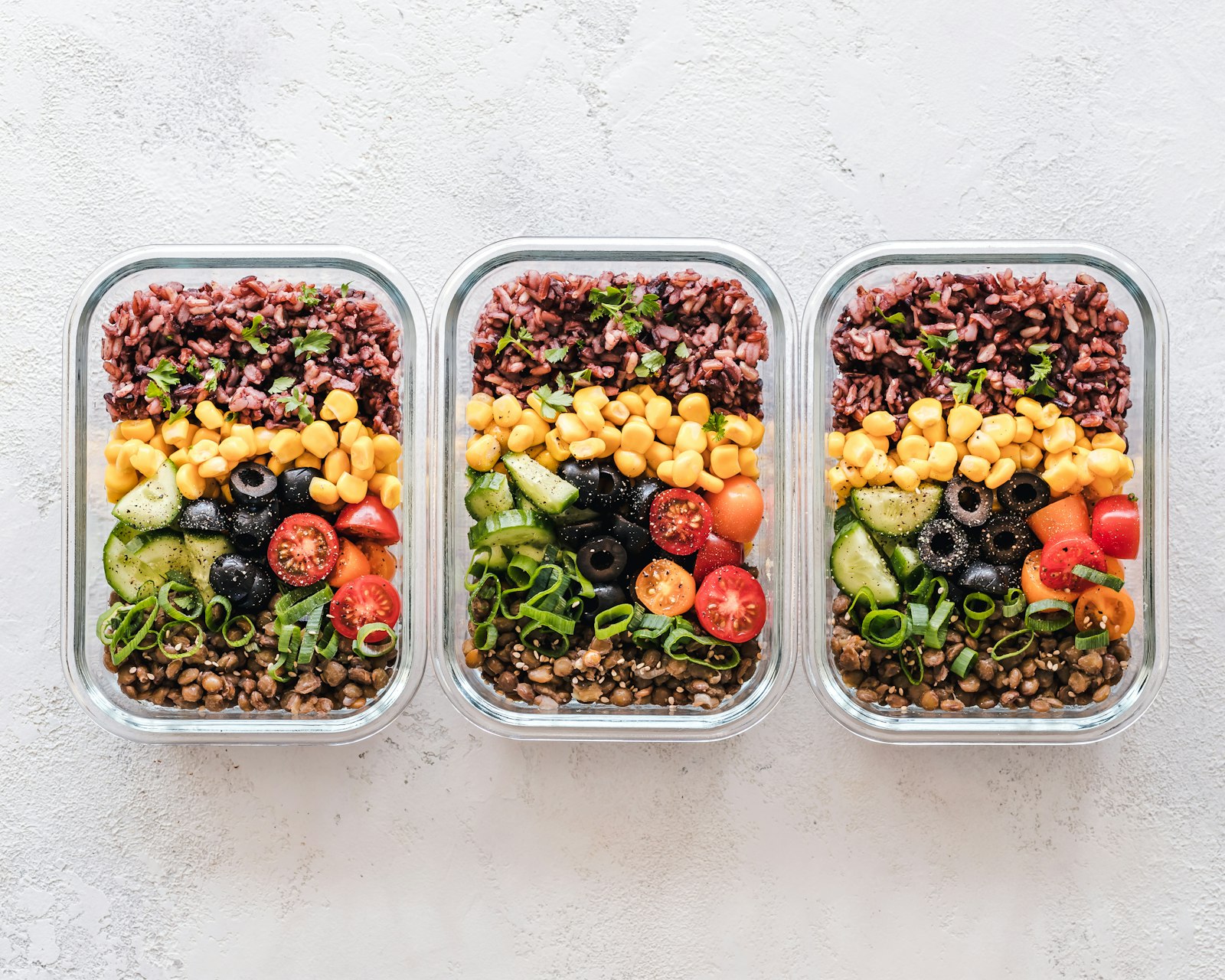
Weeknights have a way of sneaking up on us. You get home tired, the fridge looks uninspiring, and ordering takeout feels easier than cooking. Do that a few times a week and the cost, and the reliance on convenience food, adds up quickly.
Meal prep is the simple habit of preparing some or all of your meals ahead of time. It does not require a perfectly organized kitchen or hours of cooking every Sunday. Even a small amount of preparation can make your week easier, save money, reduce food waste, and help you eat in a way that feels better.
Choose Your Meal Prep Style
There is no single right way to meal prep. Pick the approach that suits your schedule and tastes.
- Full meals: Cook complete meals and portion them into containers. Great for lunches and very busy weeks.
- Batch cooking: Make large batches of a few recipes, such as soups, stews, or curries, and eat them across several days or freeze portions.
- Ingredient prep: Wash, chop, and cook components like grains, proteins, and vegetables, then mix and match them into different meals during the week.
- Freezer prep: Prepare meals or ingredients to freeze for future weeks.
Many people find ingredient prep the most flexible, because it reduces weeknight effort without eating the same dish every day.
Step 1: Plan Your Meals
Spend fifteen minutes planning before you shop.
- Look at your calendar. How many meals do you actually need to prepare? Account for nights out, leftovers, and busy days.
- Start small: plan lunches for the workweek or three dinners, not every meal.
- Choose recipes that share ingredients, such as a roast chicken for dinner one night and chicken wraps for lunch the next day.
- Pick foods that store and reheat well.
- Check what you already have in the fridge, freezer, and pantry first.
Step 2: Shop With a List
Write a shopping list based on your plan and organize it by store section to save time. Sticking to the list helps prevent impulse buys and food waste. Buying staples such as rice, oats, pasta, beans, and frozen vegetables in larger quantities is often more economical.
Step 3: Set Up for an Efficient Prep Session
Choose a time that suits you, such as a weekend afternoon or a quiet weekday evening. Clear your counters, empty the dishwasher, and gather your containers. Put on music or a podcast; it makes the time pass quickly.
Work in a Smart Order
- Start the things that take longest: grains in a pot, potatoes or vegetables in the oven, a stew on the stove.
- While they cook, wash and chop vegetables.
- Cook proteins such as chicken, tofu, eggs, lentils, or beans.
- Prepare sauces and dressings.
- Let food cool before portioning and storing.
Easy Building Blocks to Prepare
Grains and Starches
Rice, quinoa, pasta, couscous, roasted potatoes, or sweet potatoes.
Proteins
Baked or grilled chicken, hard-boiled eggs, roasted chickpeas, cooked lentils, beans, tofu, or ground meat cooked with spices.
Vegetables
Roasted vegetables such as peppers, broccoli, carrots, and zucchini, plus washed salad greens and chopped raw vegetables for snacking.
Sauces and Extras
A simple vinaigrette, yogurt sauce, salsa, pesto, or peanut sauce can turn the same ingredients into very different meals.
Mix-and-Match Meal Ideas
- Grain bowls: Rice or quinoa with roasted vegetables, a protein, and a sauce.
- Wraps: Tortillas filled with chicken or beans, salad greens, and a dressing.
- Pasta salads: Pasta, chopped vegetables, cheese or beans, and vinaigrette.
- Quick stir-fries: Precut vegetables and cooked protein heated with sauce and served over rice.
- Breakfasts: Overnight oats, egg muffins, or yogurt with fruit.
Store Food Safely
Good storage keeps food fresh and safe.
- Cool cooked food promptly before refrigerating, and avoid leaving it at room temperature for long periods.
- Use airtight containers; glass ones reheat well and do not stain.
- Most cooked meals keep safely in the fridge for about three to four days. Freeze anything you will not eat in that time.
- Label containers with the contents and date.
- Keep dressings and crunchy toppings separate until you eat, so food does not get soggy.
- Reheat food until it is steaming hot all the way through.
Keep It From Getting Boring
Eating the same lunch five days in a row can wear thin. Vary sauces and spices, prep two different lunches to alternate, and rotate recipes every week or two. Keep a list of meals your household enjoyed so planning gets easier over time.
Save Even More Money
- Plan meals around what is on sale or in season.
- Use cheaper protein sources such as eggs, beans, lentils, and frozen fish more often.
- Turn leftovers into new meals, such as roast vegetables blended into soup.
- Freeze bread, herbs, and ripe fruit before they spoil.
Frequently Asked Questions
How long does meal prep take?
A typical session takes one to two hours once you are used to it. Ingredient prep can take less than an hour.
Do I need special equipment?
No. Good containers, a sharp knife, a cutting board, a couple of sheet pans, and a large pot will cover most needs.
Can I meal prep if I live alone?
Absolutely. Cook a recipe for four, eat two portions during the week, and freeze the rest for later.
What foods do not prep well?
Fried foods, delicate salads already dressed, and some seafood can lose quality. Add these fresh where possible.
The Bottom Line
Meal prep is less about perfection and more about giving your future self a head start. Plan a few meals, shop with a list, cook versatile building blocks, and store them safely. Start small, find a rhythm that suits you, and weeknights will quickly feel calmer, healthier, and more affordable.