Every financial plan, no matter how ambitious, rests on one unglamorous foundation: an emergency fund. It is the money that stands between you and high-interest debt when the car breaks down, a job disappears, or an unexpected bill arrives. Without it, a single bad month can undo years of progress. With it, the same surprise becomes an inconvenience instead of a crisis.
Here is how to decide how much you need, where to keep it, and how to build it even if money feels tight right now.
What an Emergency Fund Is (and Is Not)
An emergency fund is cash set aside only for genuine, unexpected, necessary expenses. Think job loss, medical bills, urgent home or car repairs, or emergency travel for family.
It is not a vacation fund, a holiday shopping budget, or money for a new phone because the current one feels slow. Predictable expenses, such as annual insurance premiums, car registration, or holiday gifts, deserve their own separate savings goals, often called sinking funds. Keeping them apart protects your emergency money from slowly being spent on non-emergencies.
How Much Do You Really Need?
The classic guideline is three to six months of essential expenses. That is a useful starting point, but the right number depends on your situation.
Calculate Your Essential Monthly Costs
Focus on what you would truly need to keep life running: housing, utilities, food, transportation, insurance, minimum debt payments, childcare, and medications. Leave out discretionary spending such as dining out and subscriptions, because you would cut those in a real emergency.
Lean Toward Three Months If…
- You have a stable job in an in-demand field
- Your household has two reliable incomes
- You have few dependents and low fixed costs
Lean Toward Six Months or More If…
- You are self-employed, a freelancer, or work on commission
- You are the sole earner for your household
- Your industry has frequent layoffs or long job searches
- You own a home or an older car, both of which bring surprise repairs
- You have health concerns or dependents who rely on you
Start With a Starter Fund
Saving several months of expenses can feel overwhelming, so break it into stages. A common first target is a starter fund, an amount large enough to cover a typical car repair or medical bill. Reaching it quickly builds momentum and immediately reduces your reliance on credit cards. Then work toward one month of expenses, then three, then your full goal.
Where to Keep Your Emergency Fund
The ideal home for emergency money balances three things: safety, quick access, and some return.
High-Yield Savings Accounts
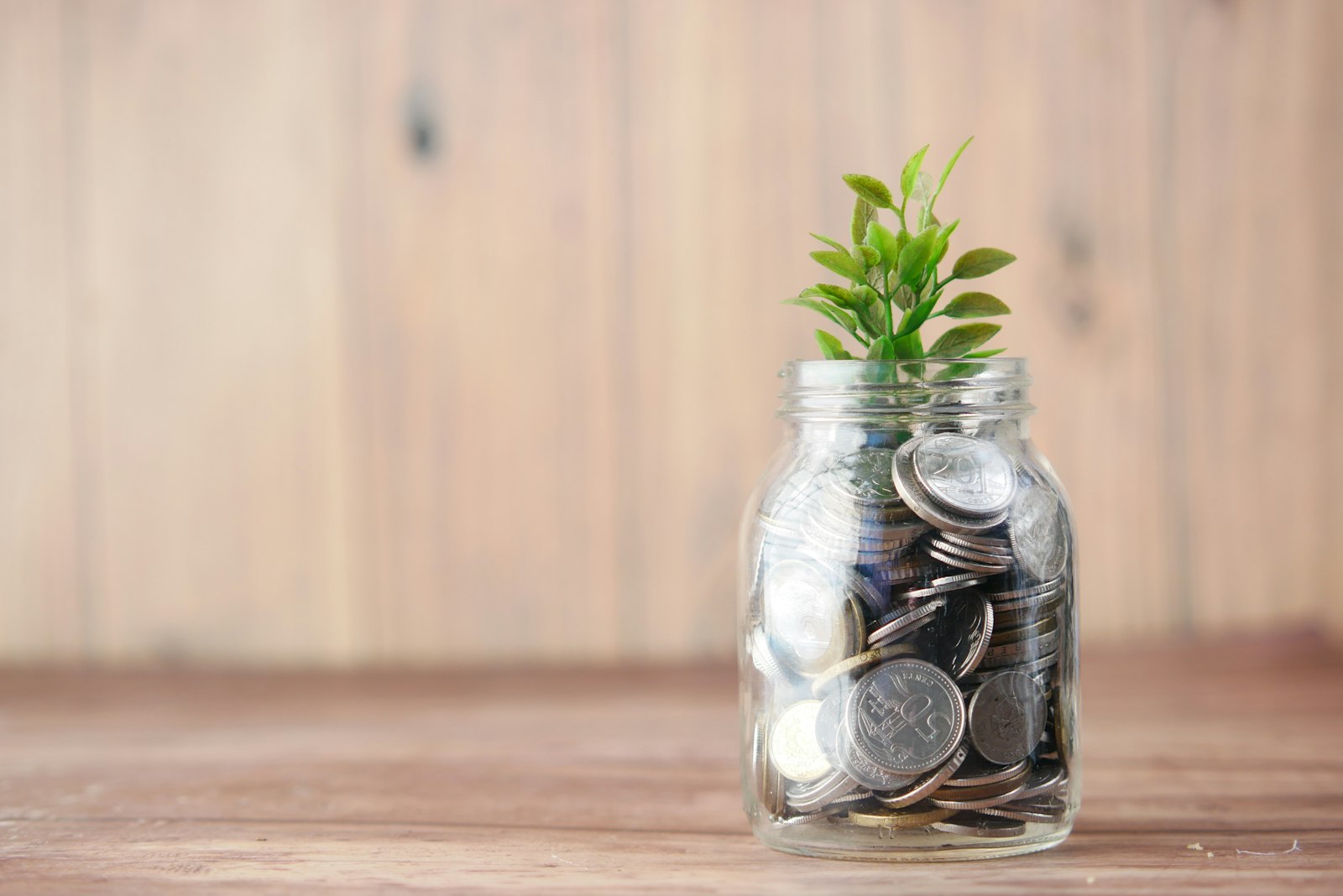
For most people, this is the best fit. Many online banks offer interest rates well above traditional savings accounts, with deposit insurance where available and transfers to your checking account within a day or two.
Money Market Accounts
Similar to savings accounts, sometimes with check-writing or debit access. Compare rates and fees.
What to Avoid
- Your everyday checking account: It is too easy to spend accidentally.
- The stock market: Investments can fall sharply right when you need the money, often during the same economic downturns that cause job losses.
- Long-term certificates of deposit: Early withdrawal penalties defeat the purpose, though some people ladder short-term CDs for part of a larger fund.
Keep the account separate from your daily banking, ideally at a different bank, so the money is accessible but out of sight.
How to Build It on Any Income
Automate It
Set up an automatic transfer on payday, even a small one. Automation turns saving into a default rather than a monthly decision.
Save Windfalls
Direct part of tax refunds, work bonuses, cash gifts, or side income straight into the fund.
Trim and Redirect
Review subscriptions, renegotiate bills such as phone and internet, and redirect the savings. Small amounts add up faster than you expect.
Use Round-Ups
Some banks and apps round up purchases and transfer the change into savings. It is painless and surprisingly effective over a year.
Pause, Do Not Abandon
If a tight month comes, reduce the transfer instead of stopping it. Keeping the habit alive matters more than the amount.
Emergency Fund vs. Paying Off Debt
Many people wonder whether to save or pay down debt first. A balanced approach often works best: build a starter emergency fund first, then focus extra money on high-interest debt such as credit cards, then return to finishing your full emergency fund. Without that starter cushion, any surprise expense tends to go right back on a credit card.
Using and Rebuilding the Fund
When a real emergency hits, use the fund without guilt. That is exactly why it exists. Before you spend, ask three quick questions: Is it unexpected? Is it necessary? Is it urgent? If the answer is yes to all three, it qualifies.
Afterward, make rebuilding a priority. Temporarily increase your automatic transfer until the fund is back to its target.
Frequently Asked Questions
Should my emergency fund earn interest?
Yes, ideally. A high-yield savings account lets your fund grow modestly while staying safe and accessible.
Is a credit card a substitute for an emergency fund?
No. Credit cards can be a last-resort backup, but carrying a balance at high interest makes an emergency more expensive and slower to recover from.
Should couples have one fund or two?
Either can work. Many couples keep a shared fund for household emergencies and smaller individual cushions. What matters is that the total covers your combined essential expenses.
Can my emergency fund be too big?
Yes. Beyond about a year of expenses, extra cash may be better directed toward retirement savings or other goals, depending on your situation.
The Bottom Line
An emergency fund is the quiet hero of personal finance. Start with a small, achievable goal, automate your savings, keep the money in a separate high-yield account, and grow it toward three to six months of essential expenses. It will not make headlines in your life, but it will keep bad days from becoming financial disasters.
This article is general information, not personalized financial advice. Consider speaking with a qualified financial professional about your specific situation.