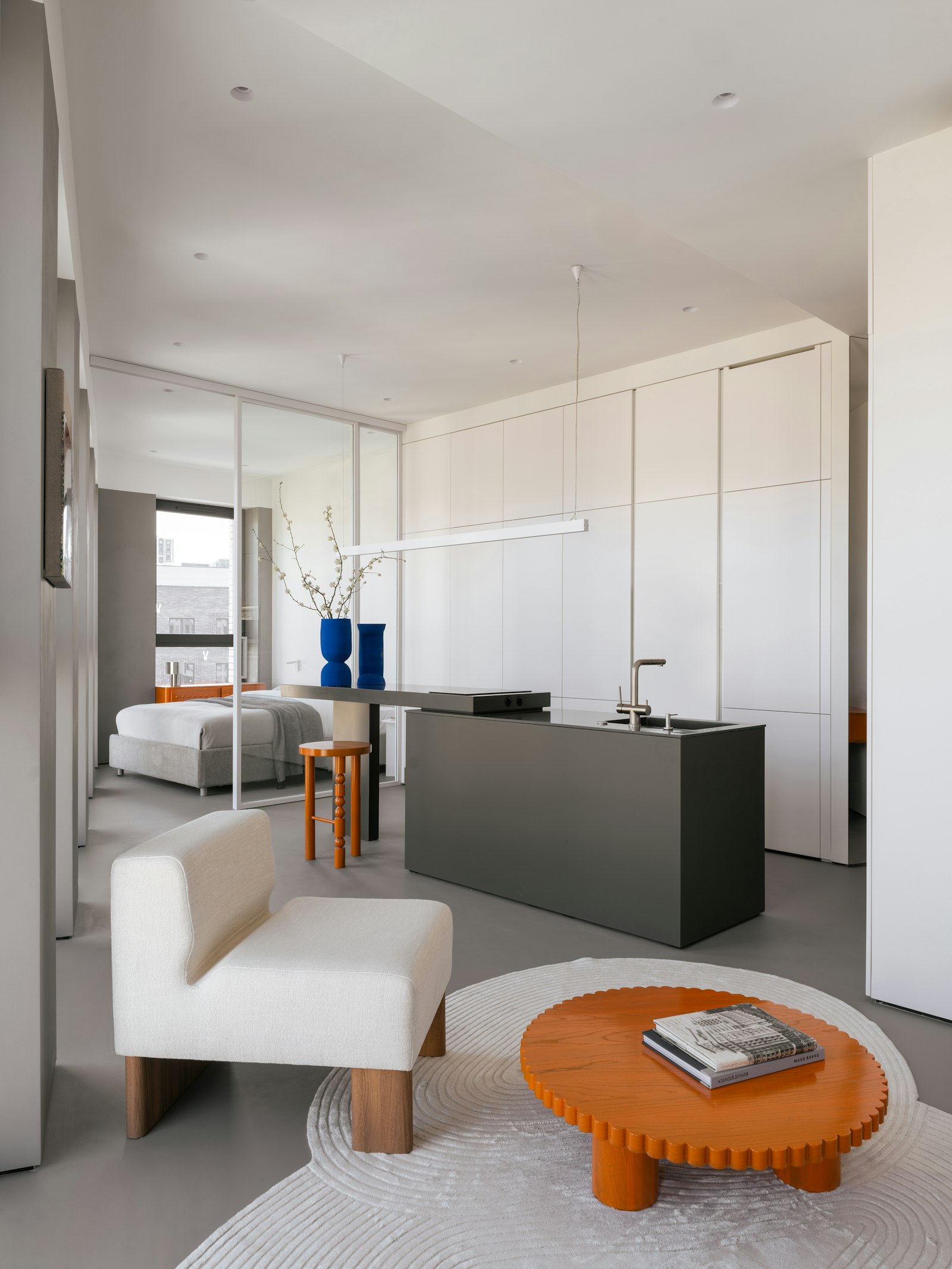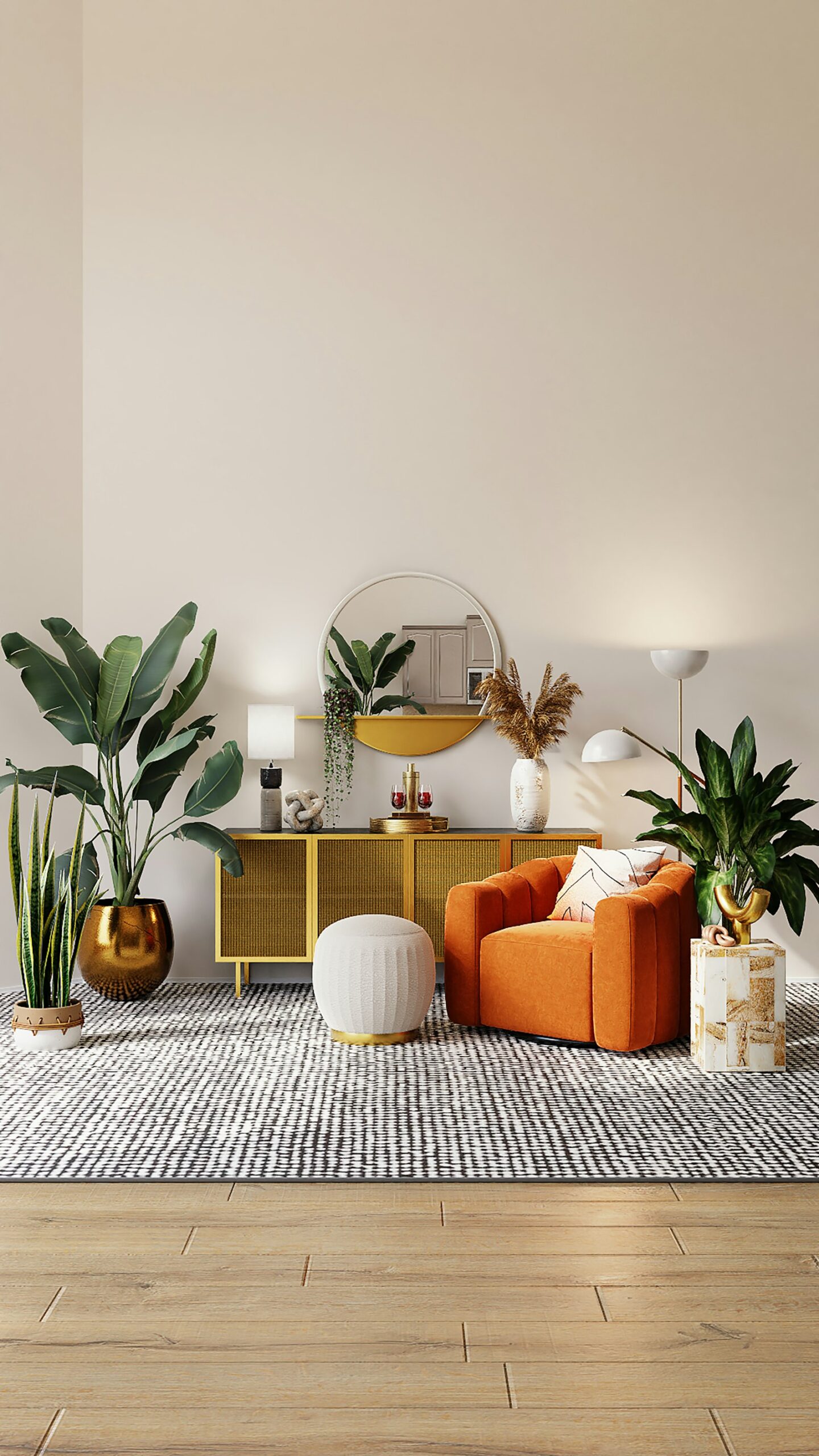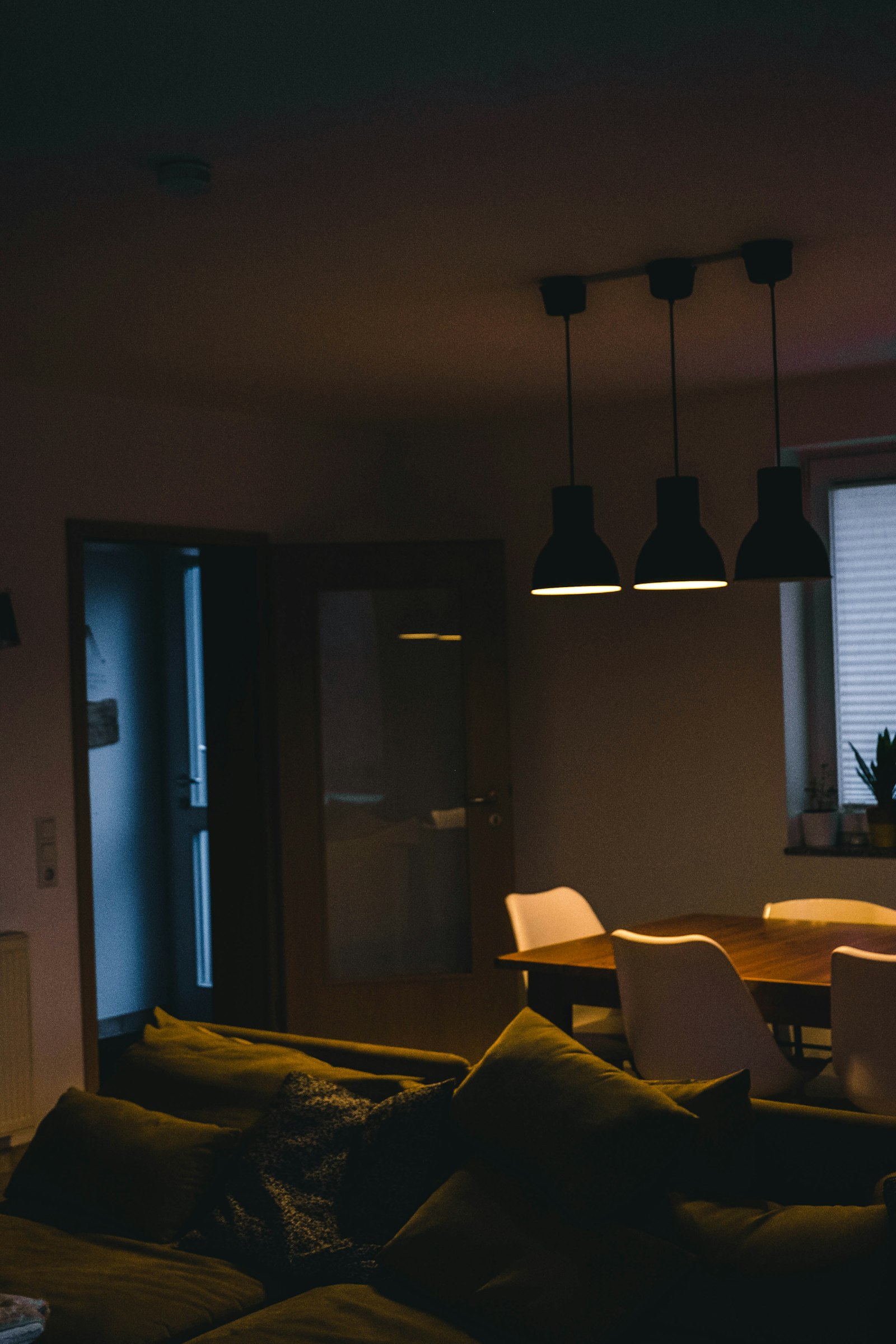
You can spend weeks choosing the perfect sofa, paint color, and rug, only to find the room still feels flat in the evening. The missing piece is almost always lighting. Light shapes how a room looks, how it feels, and how well it works. Interior designers rarely rely on a single ceiling fixture. Instead, they build light in layers.
Here is how layered lighting works and how to use it in your own home, whether you own, rent, or are working with a tight budget.
The Three Layers of Light
1. Ambient Lighting
Ambient lighting is the general, overall illumination that lets you move around safely. It often comes from ceiling fixtures, recessed lights, flush mounts, or large floor lamps that bounce light off the ceiling. On its own it can feel flat, but it forms the base of every lighting plan.
2. Task Lighting
Task lighting is focused light for specific activities: reading, cooking, working, applying makeup. Think desk lamps, under-cabinet lights in the kitchen, pendant lights over an island, vanity lights at the bathroom mirror, and reading lamps beside a chair or bed. Good task lighting reduces eye strain and makes everyday jobs easier.
3. Accent Lighting
Accent lighting adds drama and depth by highlighting features: artwork, shelves, textured walls, plants, or architectural details. Picture lights, small spotlights, LED strips inside shelving, and uplights behind plants all count. Accent lighting is what makes a room feel designed rather than simply lit.
Some designers add a fourth layer, decorative lighting, where the fixture itself is the star, such as a sculptural chandelier or a statement pendant.
Understand Color Temperature
Bulbs vary in color, measured in kelvins (K). Lower numbers produce warmer, more golden light; higher numbers produce cooler, bluer light.
- Around 2700K: Warm and cozy, ideal for living rooms and bedrooms.
- Around 3000K: Slightly crisper warm white, great for kitchens and bathrooms.
- 4000K and above: Cool and bright, best for garages, workshops, and some task areas.
Keep color temperatures consistent within a room. Mixing warm and cool bulbs side by side often looks accidental and unsettling.
Pay Attention to Color Rendering
The color rendering index (CRI) measures how accurately a light shows colors. Bulbs with a high CRI make food, skin tones, artwork, and fabrics look natural. For kitchens, bathrooms, closets, and art, choose high-CRI bulbs.
Dimmers Change Everything
If you make only one lighting upgrade, install dimmers. They let a single room shift from bright and practical during the day to soft and relaxing at night. Make sure your bulbs are labeled dimmable and compatible with your dimmer switches. Renters can use plug-in dimmers or smart bulbs with dimming controls.
Room-by-Room Ideas
Living Room
Aim for multiple light sources at different heights. A ceiling fixture or floor lamp provides ambient light, table lamps add warm pools of light at seated height, a reading lamp sits beside a favorite chair, and accent lighting highlights art or shelves. Many designers suggest having light sources in several corners of the room so no area falls into shadow.
Kitchen
Recessed or ceiling lights handle ambient light. Under-cabinet lighting is a game changer for task work on countertops. Pendants over an island add both task light and style.
Bedroom
Keep it soft. Use warm bulbs, bedside lamps or wall sconces for reading, and avoid bright overhead light late at night. Dimmers or smart bulbs help you wind down.
Bathroom
Overhead lights alone cast unflattering shadows on faces. Lights at face height on either side of the mirror, or a well-placed light bar above it, provide even illumination.
Home Office
Combine good ambient light with an adjustable desk lamp. Position lights to minimize glare on screens, and use natural daylight where possible.
Hallways and Entryways
Make a strong first impression with a statement fixture, and consider low-level lighting or motion-sensor lights for safety at night.
Do Not Forget Natural Light
Daylight is the first layer of any lighting plan. Maximize it with light window treatments, mirrors placed to reflect light, and lighter wall colors. As natural light fades, your artificial layers take over.
Renter-Friendly and Budget Lighting Ideas
- Swap harsh bulbs for warm, high-CRI LEDs.
- Add plug-in wall sconces with cord covers.
- Use rechargeable cordless lamps on shelves and tables.
- Place LED strip lights under cabinets or behind TVs.
- Try smart bulbs to control brightness and warmth from your phone.
- Swap a dated lampshade for a new one for an instant refresh.
Common Lighting Mistakes
- Relying on a single overhead fixture
- Mixing warm and cool bulbs in the same room
- Choosing fixtures that are the wrong scale for the space
- Hanging pendants too high or too low
- Forgetting task lighting where work actually happens
- Skipping dimmers
Frequently Asked Questions
How many light sources should a room have?
There is no fixed number, but most living spaces benefit from several sources at different heights covering ambient, task, and accent needs.
Are LED bulbs good for a warm, cozy look?
Yes. Warm-white LEDs around 2700K with a high CRI produce a cozy glow while using far less energy than older bulbs.
What height should a pendant hang over a kitchen island?
A common guideline is roughly 30 to 36 inches above the countertop, adjusted for ceiling height and fixture size.
The Bottom Line
Great lighting is not about one perfect fixture. It is about layering ambient, task, and accent light, choosing warm and accurate bulbs, and adding dimmers so each room can change with the time of day. Get the layers right and every other design choice in your home will look better.