Living in a small home does not mean settling for cramped, cluttered, or bland. Some of the most charming interiors are compact ones, where every piece has been chosen with care. The secret is not having more space; it is using the space you have more intelligently.
Whether you live in a studio apartment, a small city flat, or a home with a few tight rooms, these designer tricks will help your space feel larger, brighter, and far more stylish.
Start With a Ruthless Edit
Nothing shrinks a room faster than too much stuff. Before buying anything new, go through each area and keep only what you use, need, or genuinely love. Be especially strict with surfaces: countertops, coffee tables, and dressers look much larger when they are mostly clear. A smaller collection of meaningful objects always looks better than a crowded one.
Plan the Layout First
Define Zones
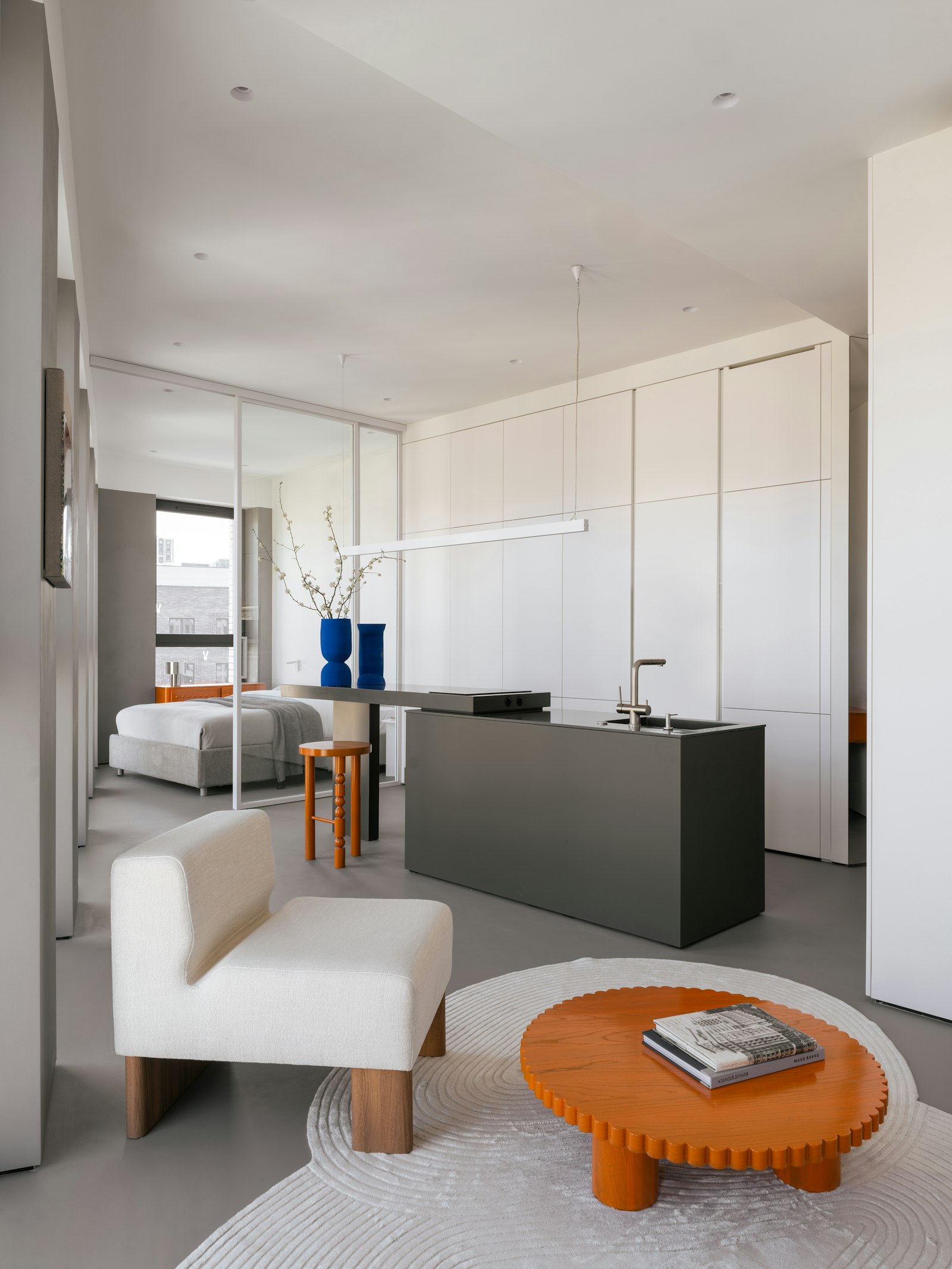
In open-plan or studio spaces, create distinct zones for sleeping, living, eating, and working. Rugs, lighting, shelving units, and furniture placement can mark each zone without building walls.
Keep Pathways Clear
A clear path through the room makes it feel more open. Avoid placing furniture where you have to squeeze around it.
Float Furniture Thoughtfully
It is tempting to push everything against the walls, but pulling a sofa slightly forward or angling a chair can actually make a room feel more intentional and spacious.
Choose Furniture That Works Harder
Multifunctional Pieces
Look for furniture that does double duty: a storage ottoman, a sofa bed, a bed with drawers underneath, a drop-leaf or extendable dining table, or a console that works as a desk.
Leggy Furniture
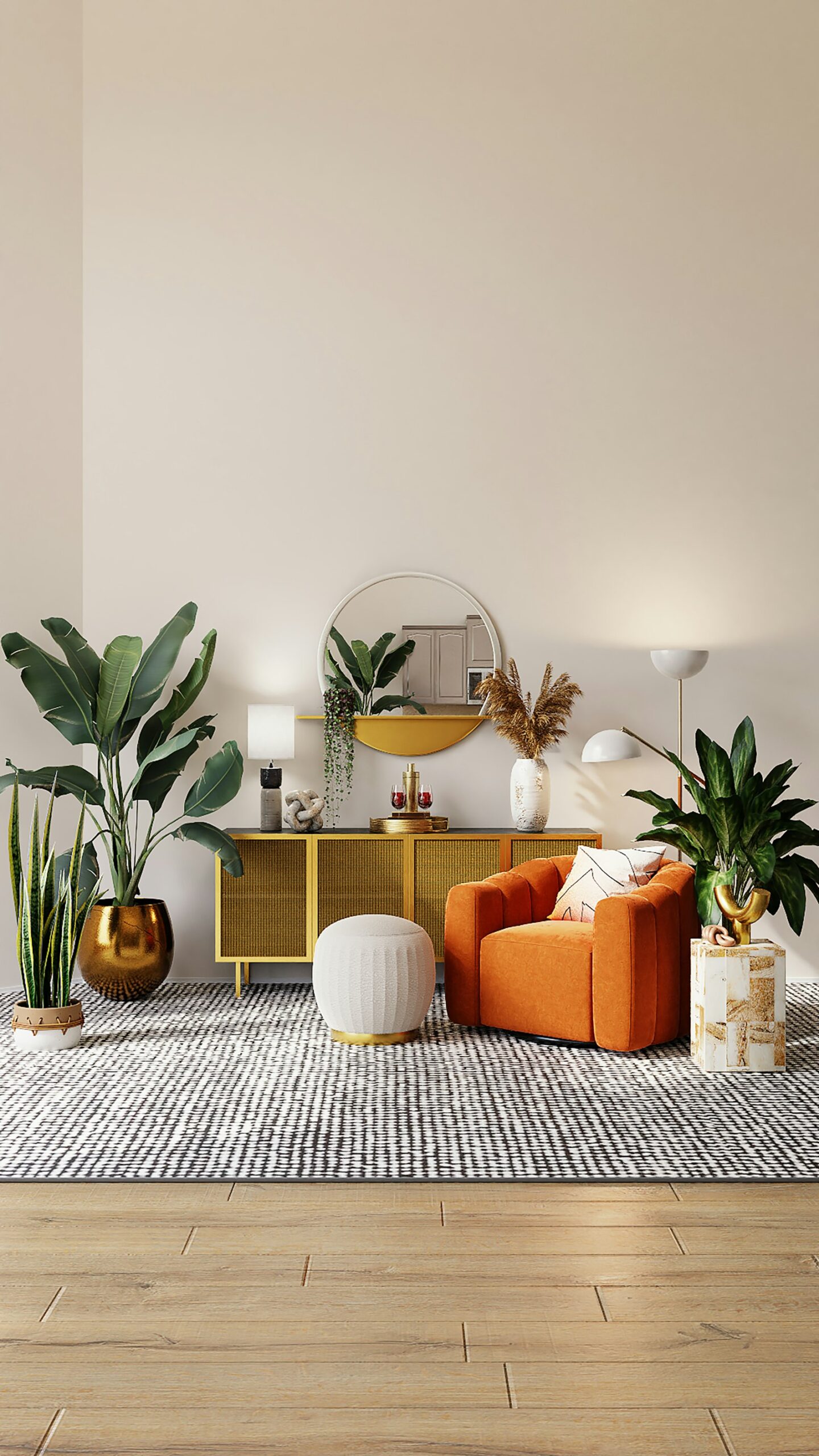
Sofas, chairs, and cabinets raised on legs let you see the floor underneath, which creates a sense of airiness and makes the room look bigger.
The Right Scale
Avoid oversized, bulky pieces, but do not fill the room with tiny furniture either, which can look cluttered. A few well-scaled pieces are better than many small ones.
See-Through Materials
Glass or acrylic coffee tables, side tables, and chairs take up physical space without taking up visual space.
Use Light to Expand the Room
- Keep windows as unobstructed as possible and choose sheer or light curtains.
- Hang curtains higher and wider than the window frame to make windows and ceilings look larger.
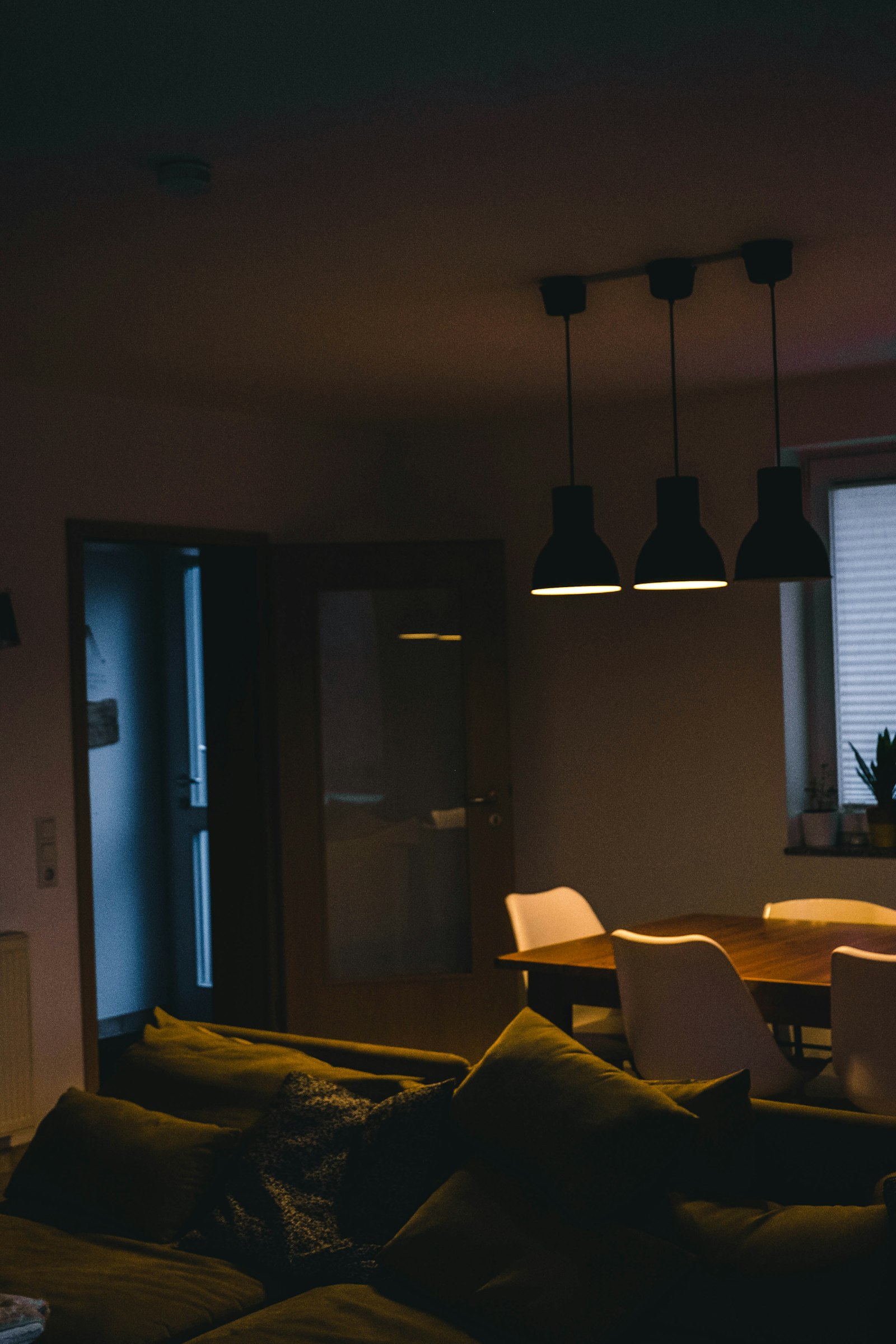
- Layer lighting with floor lamps, table lamps, and wall sconces to brighten dark corners.
- Use plug-in sconces or wall-mounted lights to free up floor and table space.
Mirrors Are Your Best Friend
A large mirror opposite or beside a window reflects light and views, instantly making a room feel bigger and brighter. Mirrored closet doors, a cluster of decorative mirrors, or a floor mirror leaning against a wall all work well.
Choose Colors That Open Up the Space
Light, soft colors, such as warm whites, pale grays, soft beiges, and gentle pastels, reflect light and make walls appear to recede. Painting walls and ceilings in similar light shades blurs boundaries and makes the room feel taller.
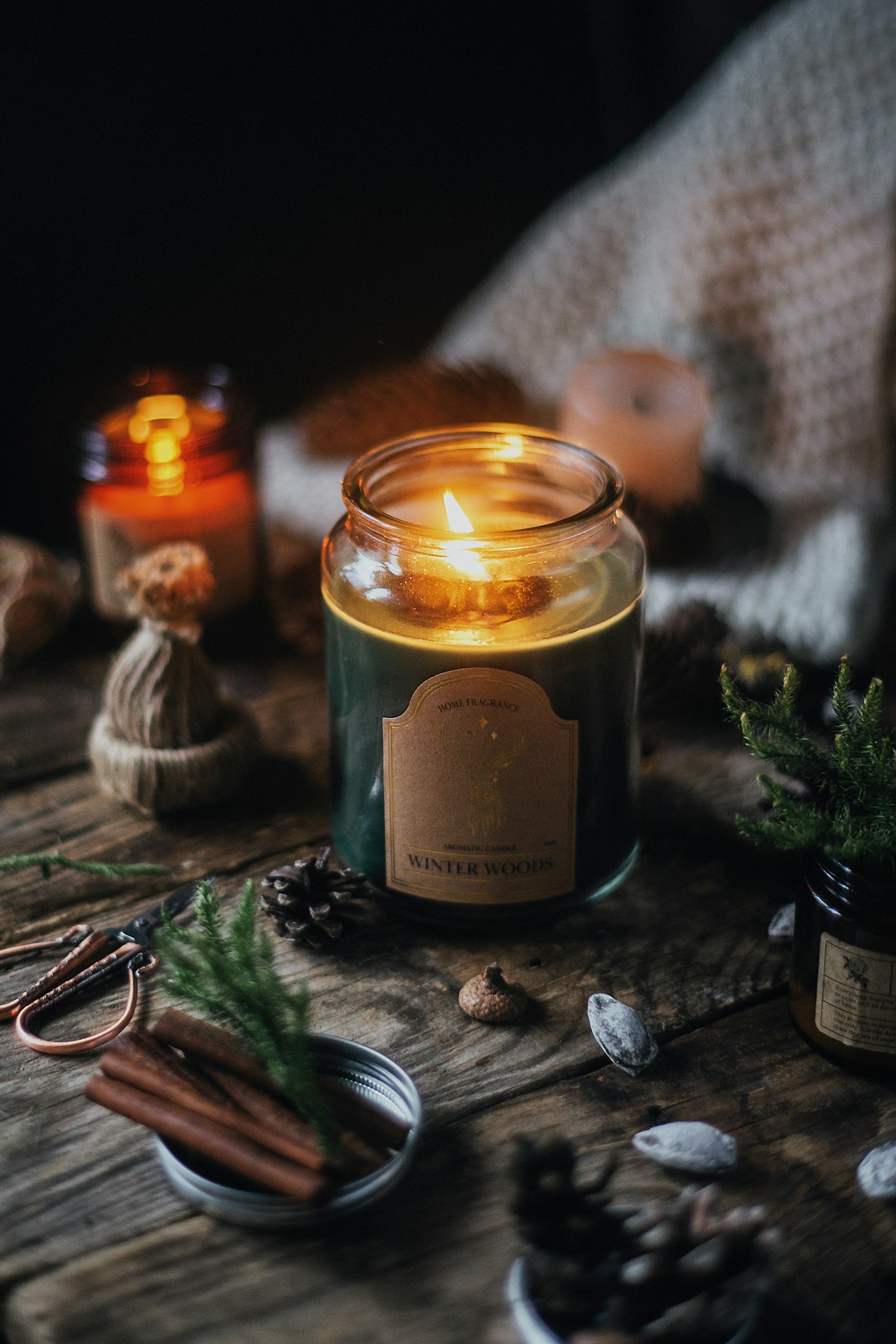
That said, small rooms can also look wonderful with bold, dark colors when used intentionally. A deep color on all walls can create a cozy, enveloping effect that makes the edges of a room harder to judge. The key is commitment and good lighting.
A cohesive palette throughout the home also helps small spaces flow together instead of feeling chopped up.
Go Vertical
When floor space is limited, use your walls.
- Install floating shelves or tall bookcases that draw the eye upward.
- Mount a fold-down desk or wall-mounted drop-leaf table.
- Use over-door organizers and hooks.
- Hang plants instead of placing them on the floor.
- Use tall, narrow storage units in corners.
Storage That Looks Good
Hidden storage keeps visual clutter down. Choose closed cabinets with simple fronts, attractive baskets, lidded boxes, and furniture with drawers. Use the space under the bed, above wardrobes, and inside unused corners. Inside closets, organizers and slim hangers can dramatically increase capacity.
Keep Patterns and Textures Balanced
Small rooms can absolutely include pattern, but choose a few key moments, such as a patterned rug or a statement cushion, rather than covering every surface. Layering textures in similar tones, such as linen, wool, wood, and ceramic, adds depth and interest without making the room feel busy.
Make a Statement, Just One
A single bold element, such as an oversized piece of art, a striking light fixture, or a beautiful rug, creates a focal point and gives the room personality. Too many statements compete and create visual chaos.
Bring In Greenery
Plants add life and freshness. In small spaces, use trailing plants on high shelves, a single tall plant in an empty corner, or small pots grouped on a windowsill.
Renter-Friendly Tips
- Use removable wallpaper or decals for an accent wall.
- Choose adhesive hooks and tension rods instead of drilling.
- Swap cabinet handles and keep the originals to reinstall later.
- Use freestanding shelving and over-door storage.
Frequently Asked Questions
Should I use dark colors in a small room?
You can. Light colors make a room feel airier, while dark colors can create a cozy, dramatic look. Either works when used deliberately with good lighting.
What size rug works in a small living room?
A rug large enough for at least the front legs of your sofa and chairs to rest on it usually makes the room feel bigger and more connected than a tiny rug.
How can I add a dining area to a studio?
Use a small round table, a drop-leaf table, or a wall-mounted fold-down table paired with stackable or folding chairs.
The Bottom Line
A small home can be stylish, practical, and deeply comfortable. Edit first, plan zones, choose furniture that works hard, maximize light, use mirrors and vertical space, and keep the look cohesive. With the right choices, even the most compact space can feel open and inviting.