A good used car can be one of the smartest purchases you make. Someone else has already absorbed the steepest part of the depreciation, insurance is often cheaper, and you can get a lot more car for your money. A bad used car, on the other hand, can turn into a money pit within months.
The difference usually comes down to preparation. This checklist walks you through every stage, from setting a budget to driving away, so you can buy with confidence instead of crossing your fingers.
Step 1: Set a Realistic Total Budget
The price on the windshield is only the beginning. Build a budget that includes everything you will pay in the first year.
- Purchase price plus taxes, registration, and any dealer fees
- Insurance, which varies widely by model, so get quotes before you buy
- An immediate maintenance fund for tires, brakes, fluids, or a battery
- Fuel or charging costs based on your normal driving
- Financing costs if you are taking a loan
Setting aside even a modest amount for early repairs means a surprise does not become a crisis.
Step 2: Shortlist Reliable Models
Not all used cars age equally. Research reliability ratings, common problems for specific model years, and the cost of typical repairs. Owner forums are a goldmine: if hundreds of owners complain about the same transmission issue in one model year, take note. Often a model is excellent in some years and troublesome in others, so be specific.
Also think about parts availability and running costs. A popular, mainstream model is usually cheaper to repair than a rare or luxury vehicle of the same age.
Step 3: Decide Where to Buy
Private Sellers
Prices are often lower and you can ask the owner directly about the car’s history. However, there is little legal protection if something goes wrong, so inspections matter even more.
Franchise Dealers and Certified Pre-Owned
Certified pre-owned programs typically include inspections and extended warranties. You pay more, but you get peace of mind, which can be worth it for newer vehicles.
Independent Dealers and Online Retailers
Quality varies widely. Read reviews of the seller, understand the return policy, and still get an independent inspection when possible.
Step 4: Check the Vehicle History
Get the vehicle identification number (VIN) and run a history report. Look for:
- Accident and damage records, including flood or fire damage
- Title problems such as salvage, rebuilt, or lemon titles
- Number of previous owners and how the car was used, such as rental or fleet
- Mileage records that line up consistently over time
- Open safety recalls, which you can usually check for free on official recall websites
A clean report is not a guarantee, since not every incident gets reported, but a bad report is a strong reason to walk away.
Step 5: Do Your Own Walk-Around
Before paying for a professional inspection, do your own first look in good daylight.
- Body: Check for mismatched paint, uneven panel gaps, or overspray, which can signal past repairs.
- Rust: Look at wheel arches, door bottoms, and underneath the car.
- Tires: Uneven wear can point to alignment or suspension issues. Check the tires’ age as well as tread.
- Under the hood: Look for leaks, corrosion, frayed belts, or an engine that looks suspiciously freshly cleaned.
- Interior: Wear should match the mileage. A heavily worn pedal on a low-mileage car is a red flag.
- Electronics: Test every window, lock, light, the infotainment system, climate control, and seat adjustments.
- Smell: Musty odors or damp carpets can indicate water leaks or flood damage.
Step 6: Take a Proper Test Drive
Ask to start the car cold, since some problems only appear before the engine warms up. Then drive for at least 20 minutes on a mix of roads.
- Listen for knocking, ticking, or whining from the engine.
- Make sure the transmission shifts smoothly without slipping or hesitation.
- Test the brakes firmly in a safe place; the car should stop straight without pulsing or noise.
- Notice whether the steering pulls or vibrates at speed.
- Drive over bumps and listen for clunks from the suspension.
- Watch the dashboard for warning lights during and after the drive.
Step 7: Get a Pre-Purchase Inspection
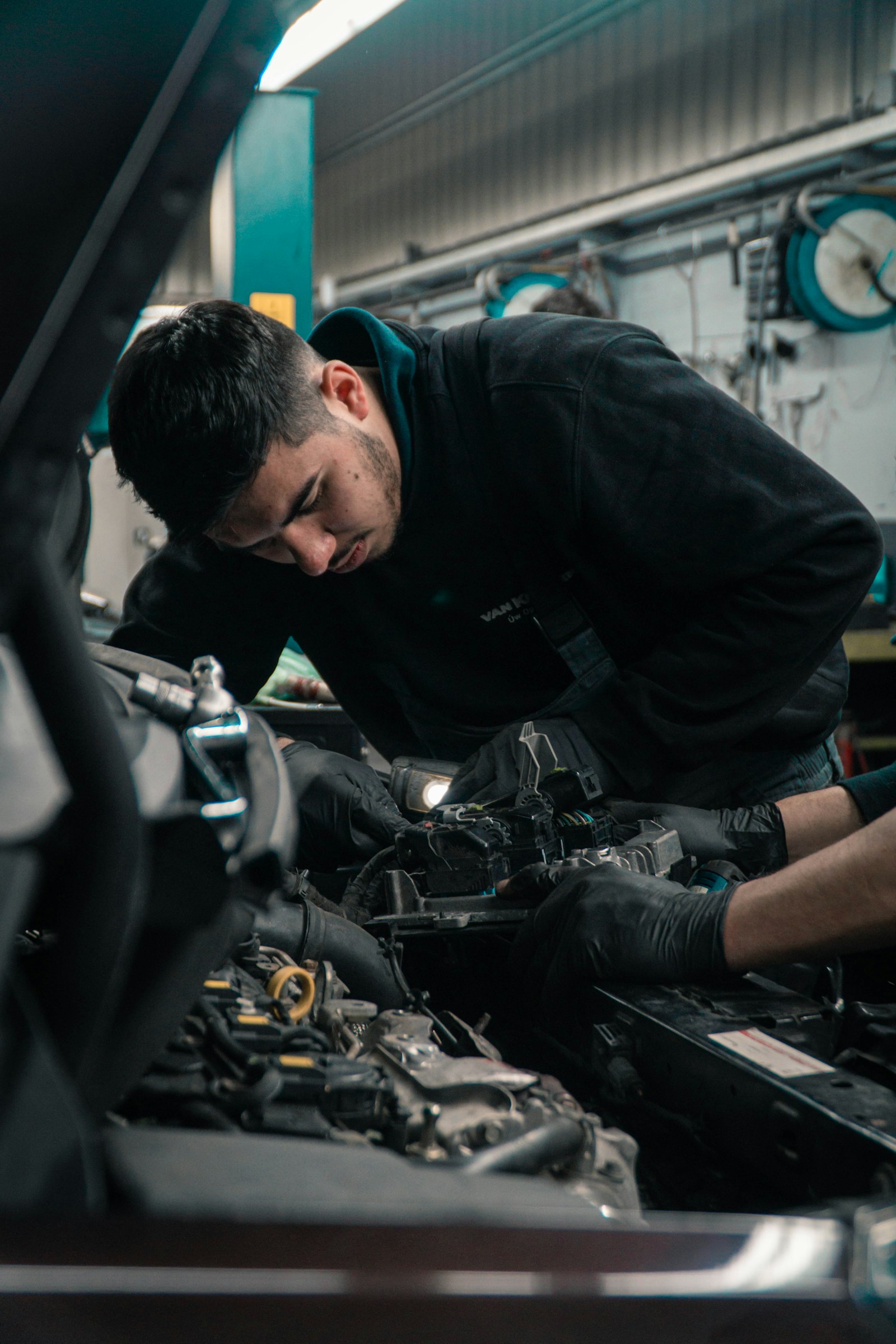
This is the most important step, and the one buyers most often skip. Pay an independent mechanic you choose, not one the seller recommends, to inspect the car. They can put it on a lift, scan for stored fault codes, and spot problems you never would. If a seller refuses to allow an inspection, treat that as your answer and walk away.
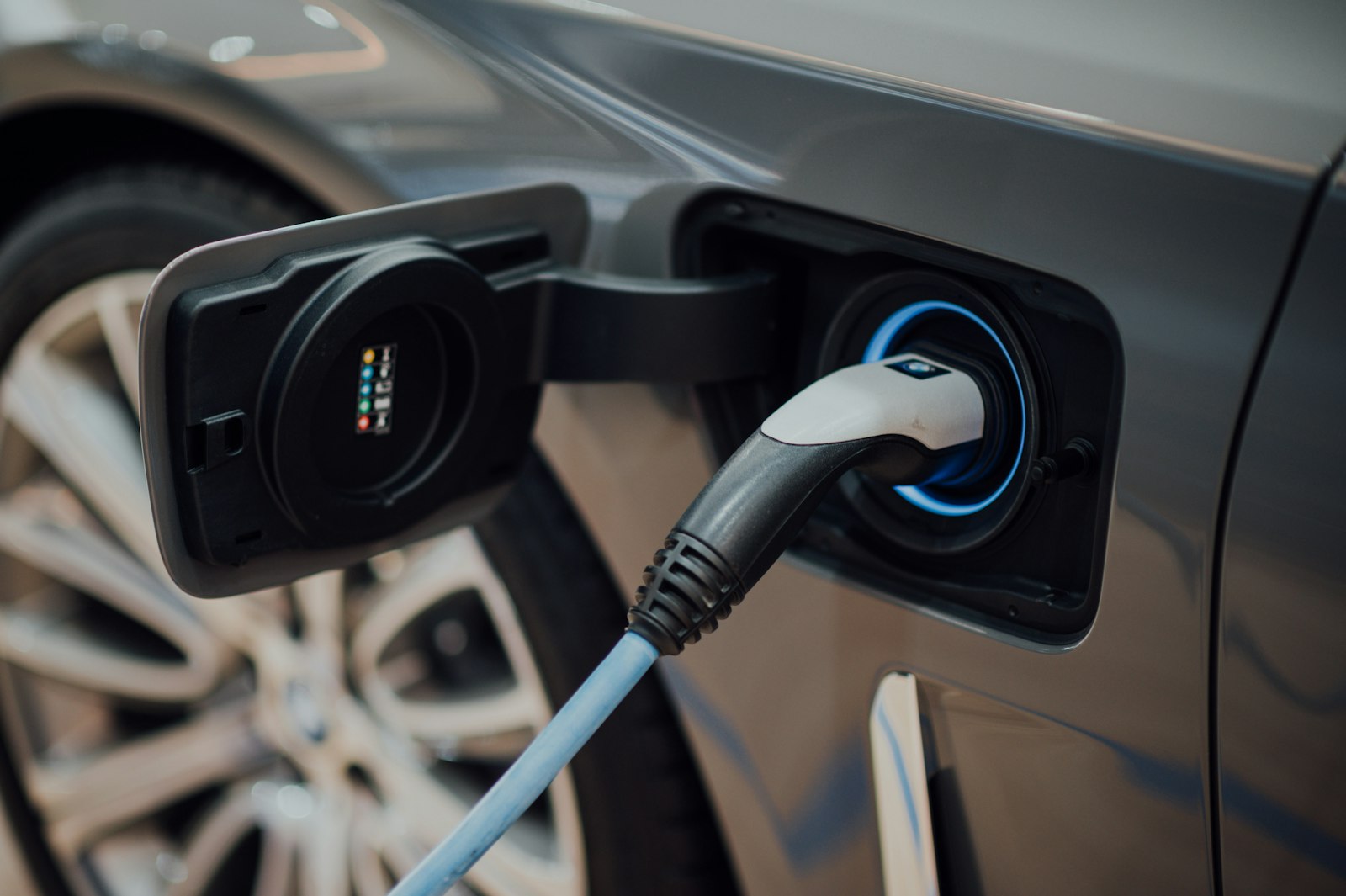
For electric and hybrid vehicles, ask for a battery health report, which some shops and manufacturers can provide.
Step 8: Review the Paperwork
Confirm that the seller’s name matches the title, the VIN on the paperwork matches the car, and there are no outstanding loans or liens. Ask for service records. A thick folder of maintenance receipts is one of the best signs you can find.
Step 9: Negotiate With Facts
Use what you learned to negotiate calmly. Compare prices for similar cars in your area, then point to specific findings: tires that need replacing soon, upcoming scheduled maintenance, or minor repairs from the inspection. Have a maximum price in mind before you start, and be willing to walk away. There is always another car.
Arrange financing before visiting a dealer if you are borrowing. Having a pre-approved loan from your bank or credit union lets you compare offers and keeps the conversation focused on the price of the car.
Step 10: Finalize the Deal Carefully
Read everything before you sign. At a dealer, question add-ons such as extended warranties, paint protection, or etching, and decline anything you do not want. With a private sale, complete the title transfer and bill of sale according to your local rules, and arrange insurance before you drive away.
Frequently Asked Questions
What mileage is too high for a used car?
It depends more on maintenance history than the number itself. A well-maintained car with higher mileage can be a better buy than a neglected low-mileage one.
Is a certified pre-owned car worth the extra cost?
Often, for newer vehicles, because of the inspection and warranty. Compare the price difference with what an extended warranty would cost separately.
How much should a pre-purchase inspection cost?
It is typically a small fraction of the car’s price and can save you thousands. Prices vary by area and shop.
Should I buy a car with a rebuilt title?
Usually only if you are very experienced, the price is far lower, and a mechanic confirms the repair quality. These cars can be harder to insure and resell.
The Bottom Line
Buying used is a smart move when you do it methodically. Research the model, check the history, inspect thoroughly, test drive properly, and never skip an independent inspection. Patience at the start is what separates a great deal from an expensive mistake.