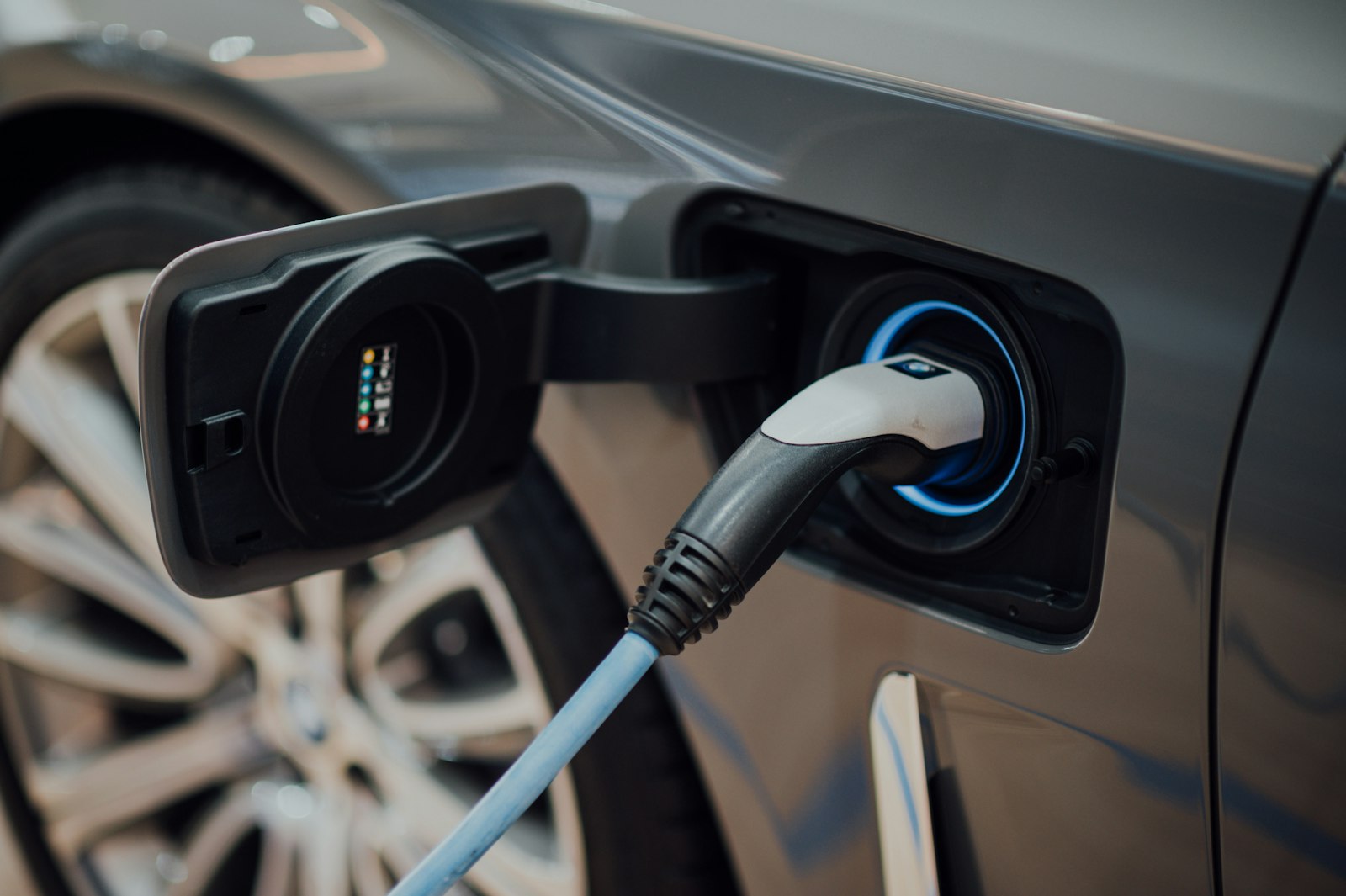
Walk onto almost any dealer lot today and you will find the same model offered three or four different ways: a regular gas engine, a hybrid, a plug-in hybrid, and sometimes a fully electric version. That is great news for buyers, because there has never been more choice. It is also confusing, because the right answer depends far less on which technology is “best” and far more on how you actually live.
This guide breaks down what each powertrain really is, who it suits, and the questions that will point you toward the right one before you sign anything.
The Four Options in Plain Language
Before comparing costs or range, it helps to be clear on what each label means, because marketing names can blur the lines.
- Conventional gas (ICE): A gasoline engine does all the work. Simple, familiar, quick to refuel, and still the cheapest to buy in many segments.
- Hybrid (HEV): A gas engine paired with a small battery and electric motor. The battery charges itself through braking and the engine. You never plug it in, but you burn noticeably less fuel, especially in city traffic.
- Plug-in hybrid (PHEV): A larger battery you charge from the wall, good for a meaningful stretch of electric-only driving, with a gas engine that takes over when the battery runs low.
- Battery electric (EV): No engine at all. A large battery powers one or more electric motors, and you charge at home, at work, or at public stations.
Start With Your Daily Driving, Not the Brochure
The single most useful number you can know is how far you drive on a typical day. Most people overestimate it. Check your trip computer or a mapping app for a normal week and look at the pattern: commute distance, school runs, errands, and how often you take long highway trips.
If most of your days are short and predictable, electric driving fits naturally, because you can cover those miles on a charge and rarely think about it. If you regularly drive long distances in a single day, through rural areas, or tow heavy loads, a hybrid or a carefully chosen EV with strong range and fast-charging ability makes more sense.
Where You Will Charge Matters More Than Range
Range anxiety gets the headlines, but the real deciding factor for plug-in cars is charging access. The happiest EV and plug-in hybrid owners almost always charge at home or at work.
- Home charging: If you have a driveway or garage, a Level 2 charger lets you start every morning with a full battery. This is the cheapest and most convenient way to own a plug-in car.
- Apartment or street parking: Without a reliable spot to plug in, ownership becomes a routine of finding public chargers. It is doable, but a regular hybrid is often the smoother choice.
- Workplace charging: If your employer offers it, it can make an EV practical even without home charging.
A plug-in hybrid that never gets plugged in is just a heavier hybrid carrying a battery it does not use. Be honest about whether you will actually charge it every day.
Comparing the True Cost of Ownership
Sticker price tells only part of the story. A fair comparison looks at what you will spend over the years you own the car.
Purchase Price
Hybrids usually carry a modest premium over gas versions. Plug-in hybrids and EVs cost more upfront, although the gap has narrowed and incentives, where available, can shrink it further. Check what local and national incentives apply to you at the time you buy, because these programs change.
Energy Costs
Electricity is generally cheaper per mile than gasoline, especially when you charge at home overnight. Public fast charging costs more and can approach gas prices in some areas. Hybrids sit in the middle, delivering real fuel savings without changing how you refuel.
Maintenance
EVs have far fewer moving parts: no oil changes, spark plugs, or exhaust systems, and regenerative braking reduces brake wear. Hybrids also tend to be easy on brakes. Plug-in hybrids still have a full engine to maintain, so their savings here are smaller.
Resale Value
Resale values for electrified cars have been more volatile than for gas cars, partly because technology moves quickly. Hybrids from established brands have generally held value well. Research the specific model you are considering rather than relying on broad assumptions.
Who Each Powertrain Suits Best
Choose a Hybrid If…
You want lower fuel bills with zero change to your routine. You lack reliable home charging. You drive a lot of stop-and-go city miles, where hybrids shine. You want a proven, low-stress option that works anywhere.
Choose a Plug-In Hybrid If…
Your daily driving fits within the electric range, you can charge every night, and you still take regular long trips where you do not want to plan around chargers. A PHEV lets most weekday driving be electric while keeping a gas engine for freedom on the weekend.
Choose a Full EV If…
You can charge at home or work, your long trips are occasional, and you value quiet, smooth, quick acceleration and the lowest running costs. For many households, an EV works best as one of two cars, with the other covering the rare long road trip.
Stay With Gas If…
You drive very long distances in areas with sparse charging, tow heavy loads frequently, or need the lowest possible purchase price and plan to keep the car for only a short time.
Questions to Ask Before You Buy
- How many miles do I drive on a normal day, and how many on my longest regular trip?
- Where will this car sleep every night, and can I install a charger there?
- What does electricity cost me at home compared with gas per mile?
- How long do I plan to keep this car?
- Does the model I like have a strong warranty on its battery?
- How does it perform in cold weather, if I live somewhere with real winters?
Test-Drive Them Back to Back
Spec sheets cannot tell you how a car feels. If possible, drive the hybrid, plug-in, and electric versions of the same model, or similar models, on the same day. Notice the quietness, how the brakes feel with regeneration, and how the car responds when you merge onto a highway. Many drivers find that one test drive settles a debate that weeks of reading could not.
Frequently Asked Questions
Do hybrids need to be plugged in?
No. A standard hybrid charges its own battery through braking and the gas engine. Only plug-in hybrids and full EVs need to be plugged in.
How long do EV batteries last?
Modern EV batteries are designed to last many years, and most manufacturers back them with long battery warranties. Capacity drops gradually over time rather than failing suddenly. Check the warranty terms for any model you are considering.
Is a plug-in hybrid the best of both worlds?
It can be, if you charge it daily and your commute fits in its electric range. If you rarely plug it in, you pay extra for a battery you do not use, and a regular hybrid would serve you better.
Do EVs lose range in winter?
Yes, cold weather reduces range, mainly because heating the cabin and the battery uses energy. Preconditioning the car while it is still plugged in helps a lot.
Which option is cheapest to run?
Usually a full EV charged at home, followed by a plug-in hybrid that is charged regularly, then a hybrid, then a gas car. Your local electricity and fuel prices decide the exact gap.
The Bottom Line
There is no universally right powertrain, only the right one for your driving and your parking spot. Start with your real daily mileage and where you can charge, then weigh upfront cost against running costs over the years you plan to keep the car. Get those two answers right and the choice usually makes itself.