Cold weather is hard on cars and harder on drivers. Batteries lose power, tires lose grip, fluids thicken, and visibility drops just when roads become most unpredictable. Yet most winter breakdowns and accidents share the same root causes, and nearly all of them can be prevented with a little preparation before the first freeze.
Here is how to get your vehicle ready for winter, what to keep in the car, and how to adjust your driving when the roads turn slick.
Start With a Pre-Winter Inspection
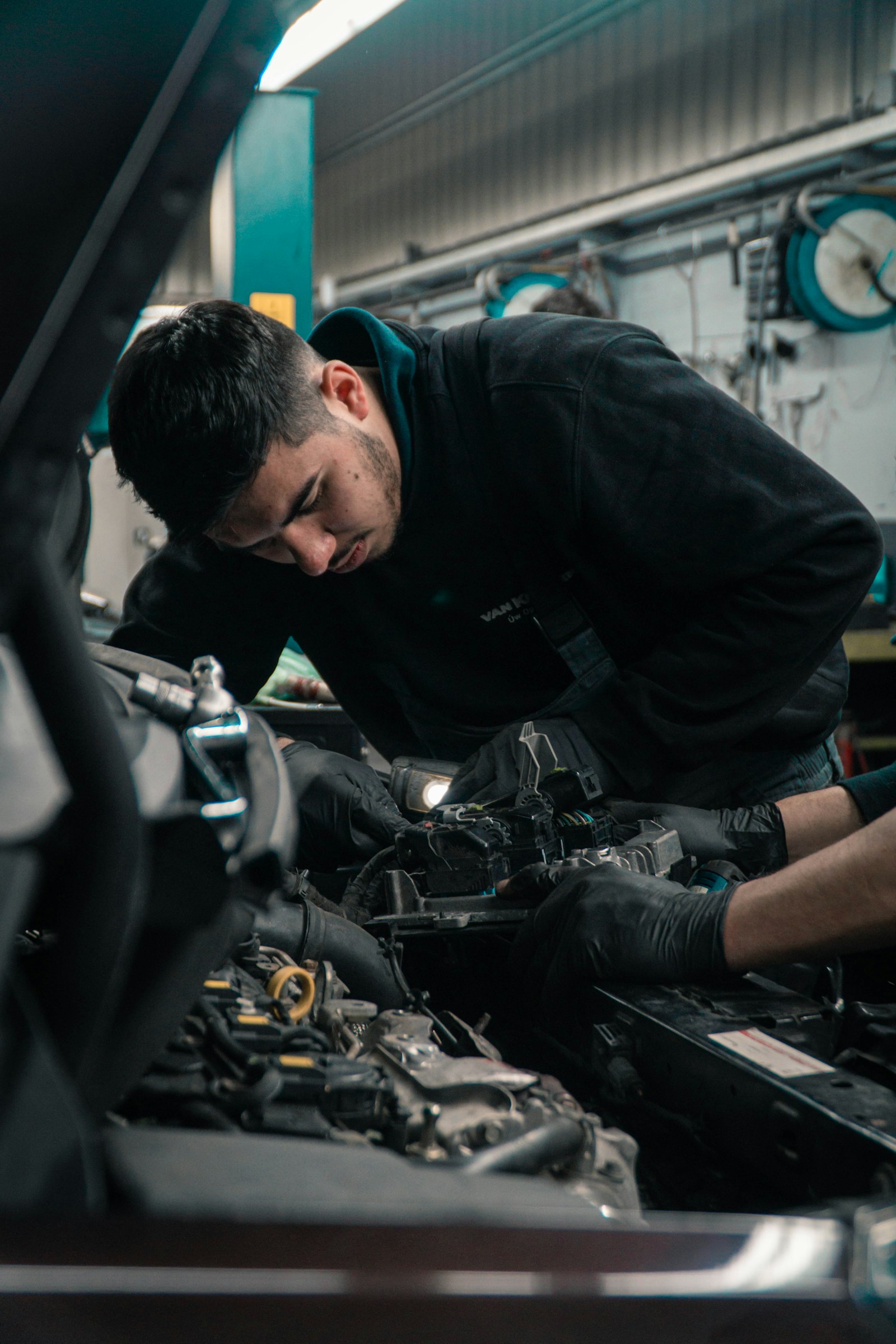
Late autumn is the ideal time for a once-over, either by your mechanic or yourself. Focus on the systems cold weather punishes most.
- Battery: Cold reduces a battery’s available power while making the engine harder to start. Have it load-tested, especially if it is more than three years old.
- Coolant (antifreeze): Make sure the mix is correct for your climate so it protects against freezing.
- Belts and hoses: Rubber becomes brittle in the cold. Look for cracks, fraying, or soft spots.
- Heater and defroster: You need both working properly for safety, not just comfort.
- Brakes: Slippery roads demand brakes in top condition.
- Lights: Short days mean more driving in the dark. Clean, working lights help you see and be seen.
Tires Are Your Most Important Winter Upgrade
Your tires are the only part of the car touching the road, and their performance changes dramatically in cold conditions.
Consider Winter Tires
All-season tires harden as temperatures drop and lose grip, even on dry pavement. Dedicated winter tires use softer rubber compounds and deeper, more aggressive tread patterns designed to grip snow and ice. If you live where winters bring regular snow, ice, or freezing temperatures, winter tires are one of the best safety investments you can make. Some regions require them by law, so check local rules.
All-Weather Tires as a Middle Ground
All-weather tires, different from all-seasons, are rated for severe snow and can be used year-round. They suit drivers in areas with moderate winters who do not want to swap tires twice a year.
Check Pressure Often
Tire pressure drops as temperatures fall. Check it more frequently in winter, and inflate to the pressure on your door-jamb sticker when tires are cold.
Mind the Tread
Deeper tread clears slush and water better. Tires that are fine in summer can be dangerously worn for winter conditions.
Visibility: See and Be Seen
- Replace worn wiper blades, and consider winter blades that resist ice buildup.
- Fill up with winter-rated washer fluid that will not freeze.
- Keep an ice scraper and snow brush in the car.
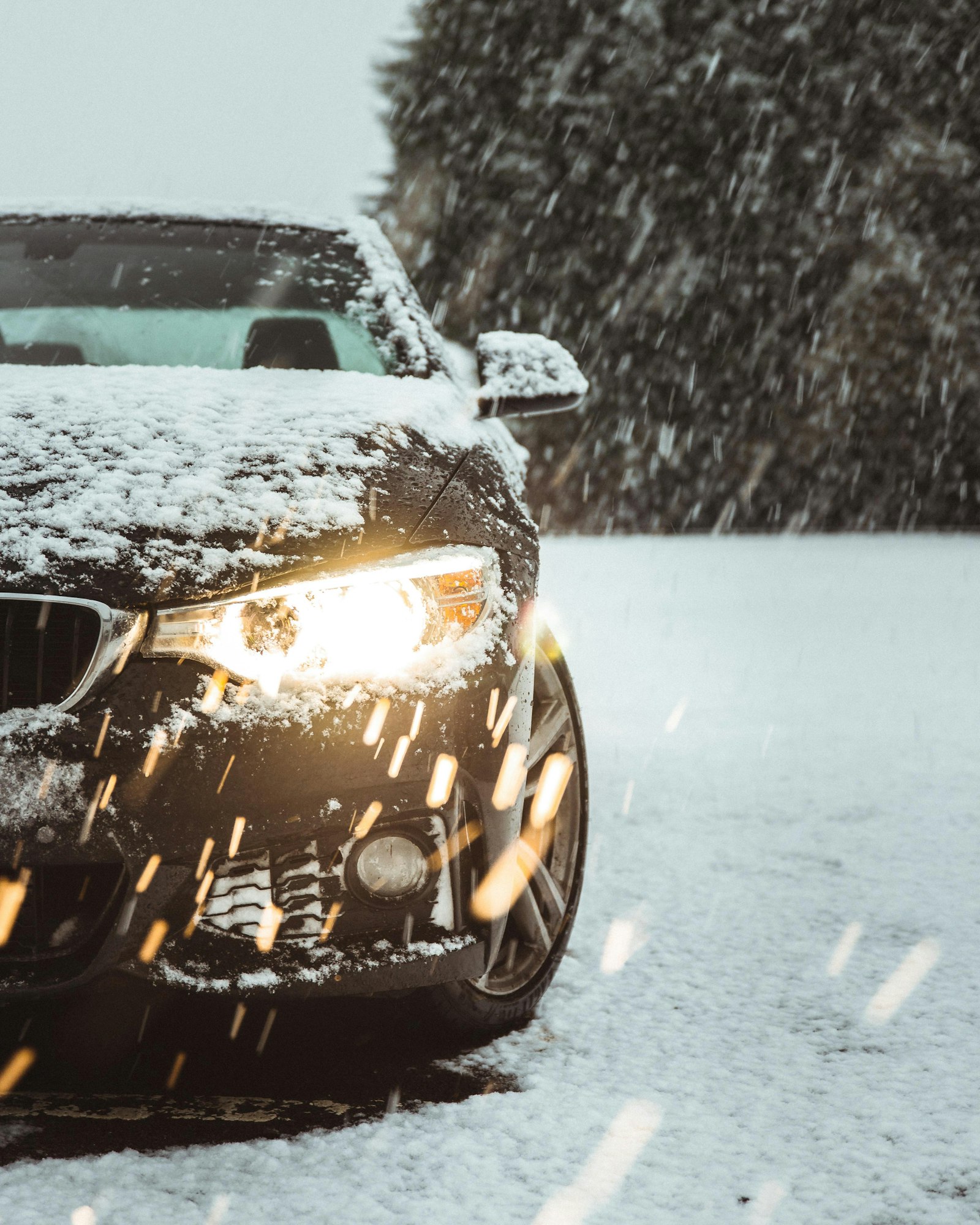
- Clear all snow from the roof, hood, windows, mirrors, and lights before driving. Snow blowing off your roof can blind drivers behind you, and in some places it is illegal to drive with it.
Build a Winter Emergency Kit
If you get stuck or break down, a few items can make the difference between an inconvenience and a dangerous situation.
- Warm blanket, gloves, hat, and extra layers
- Flashlight with spare batteries, or a hand-crank model
- Phone charger or power bank
- Small shovel and a bag of sand or cat litter for traction
- Jumper cables or a portable jump starter
- Water and nonperishable snacks
- First-aid kit
- Reflective triangles or flares
- Ice scraper and snow brush
Keep your fuel tank at least half full in winter. It gives you a reserve if you are stuck in traffic or stranded, and it helps prevent moisture from freezing in the fuel line.
Special Notes for EV and Hybrid Owners
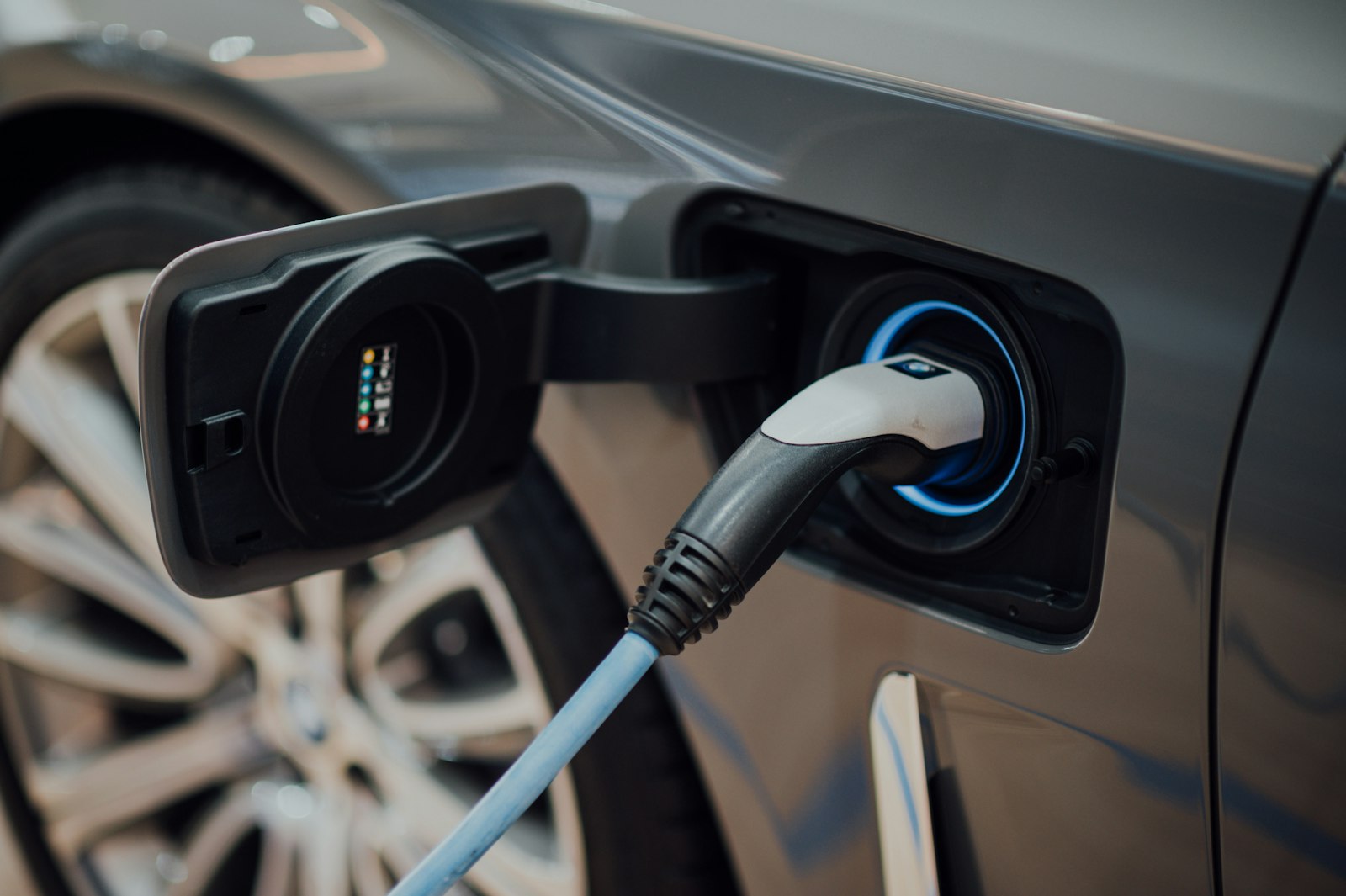
Electric cars lose range in the cold because the battery is less efficient and heating the cabin uses energy. Precondition the cabin and battery while the car is still plugged in, use seat and steering-wheel heaters, which are more efficient than heating all the air, and plan for longer charging times when the battery is cold. Parking in a garage helps significantly.
How to Drive on Snow and Ice
Preparation gets you halfway; the rest is technique.
Slow Everything Down
Accelerate gently, brake early and smoothly, and steer with calm, measured inputs. Sudden movements are what break traction.
Leave Much More Space
Stopping distances can be many times longer on ice than on dry roads. Increase your following distance generously.
Know Your Brakes
With anti-lock brakes (ABS), press firmly and hold steady; the pulsing you feel is normal. Do not pump them.
Handle a Skid Calmly
If the rear of the car slides, ease off the accelerator and look and steer gently where you want to go. Avoid slamming the brakes.
Watch for Black Ice
Bridges, overpasses, and shaded areas freeze first. If the road looks wet but temperatures are near or below freezing, assume it could be ice.
Do Not Rely on All-Wheel Drive Alone
AWD helps you accelerate on slippery surfaces, but it does not help you stop or turn. Good tires matter more.
Avoid Cruise Control
On slippery roads, keep full manual control of speed.
If You Get Stuck or Stranded
Stay with your vehicle unless help is very close; your car is shelter and is easier for rescuers to find. Make sure the exhaust pipe is clear of snow before running the engine to stay warm, and run it only in short intervals with a window slightly open to avoid carbon monoxide buildup. Turn on hazard lights and call for help.
Frequently Asked Questions
When should I put on winter tires?
Many experts suggest switching when daytime temperatures consistently stay cold, before the first major snowfall. Check local guidance and any legal dates in your region.
Do I need to warm up my car for a long time?
Modern engines need only a short warm-up. Driving gently for the first few minutes warms the engine faster than idling.
Is four-wheel drive enough for winter?
It helps with traction when accelerating, but it does not shorten stopping distances. Winter tires and careful driving are still essential.
The Bottom Line
Winter driving safety comes down to three things: a car that is mechanically ready, tires suited to the conditions, and a driver who slows down. Take care of these before the first freeze, keep an emergency kit on board, and you will be ready for whatever the season brings.