Most expensive car repairs do not come out of nowhere. They start as small things that went unnoticed: a fluid left too long, a tire running a little low, a warning light that seemed to go away on its own. The good news is that the habits that prevent those problems are simple, inexpensive, and easy to build into your routine.
Whether you drive a ten-year-old commuter or a brand-new crossover, these are the maintenance habits that make the biggest difference to how long your car lasts and how much it costs you along the way.
Read the Owner’s Manual (Seriously)
The most underrated maintenance tool sits in your glovebox or on the manufacturer’s website. Your owner’s manual lists the exact service intervals, fluid types, and tire pressures your car was engineered for. Generic advice, such as changing oil every 3,000 miles, is often outdated for modern engines and synthetic oils. Following the manufacturer’s schedule keeps your warranty valid and avoids paying for services you do not need.
Many manuals include two schedules: one for normal driving and one for “severe” conditions such as short trips, extreme heat or cold, dusty roads, or towing. A surprising number of everyday drivers actually fall into the severe category, so check which one fits you.
The Monthly Five-Minute Check
Set a reminder once a month and walk around your car with fresh eyes. It takes about five minutes.
- Tire pressure: Check it when the tires are cold, using the pressure printed on the sticker inside the driver’s door, not the maximum on the tire sidewall.
- Tire tread and condition: Look for uneven wear, bulges, nails, or cracks.
- Lights: Check headlights, brake lights, turn signals, and reverse lights. A friend or a reflective garage door helps.
- Fluids: Engine oil level, coolant reservoir, and windshield washer fluid.
- Wipers: Streaking or chattering means it is time for new blades.
Oil Changes: On Time, With the Right Oil
Engine oil is the lifeblood of a gas or hybrid engine. Old oil breaks down and stops protecting moving parts, which leads to wear that cannot be reversed. Use the oil grade specified in your manual and change it at the recommended interval, or sooner if you mostly drive short trips. Many modern cars have an oil-life monitor; trust it, but still check the dipstick between changes, since some engines consume a little oil as they age.
Tires Deserve More Attention Than They Get
Tires affect braking, handling, fuel economy, and safety more than almost any other component.
Keep Them Properly Inflated
Underinflated tires wear faster, overheat, and hurt fuel economy. Pressure drops naturally over time and with cold weather, so monthly checks matter.
Rotate Them Regularly
Rotating tires spreads wear evenly and extends their life. Many owners rotate tires with every oil change or at the interval in the manual.
Watch the Tread
Worn tread dramatically increases stopping distances on wet roads. The classic coin test gives a quick read, but a cheap tread-depth gauge is more accurate. Replace tires before they reach the legal minimum, especially if you drive in rain or snow.
Get an Alignment When Needed
If the car pulls to one side, the steering wheel is off-center, or the tires wear unevenly, an alignment can save your tires and improve handling.
Do Not Ignore the Other Fluids
Oil gets the attention, but several other fluids protect expensive systems.
- Coolant: Prevents overheating and freezing. Low or dirty coolant can lead to engine damage.
- Brake fluid: Absorbs moisture over time, which reduces braking performance. Most manufacturers recommend replacing it every few years.
- Transmission fluid: Often overlooked, and transmission repairs are among the most expensive. Follow the manual’s guidance, especially if you tow.
- Power steering fluid: Relevant on older cars with hydraulic steering.
Listen, Feel, and Smell
Your senses are excellent early-warning systems. Pay attention to changes from what feels normal.
- Squealing or grinding when braking often means worn pads.
- A clunk over bumps can point to suspension wear.
- A sweet smell may indicate a coolant leak; a burning smell can mean oil or brakes.
- Vibration at highway speed may come from wheel balance or alignment.
- Spots under the car where you park deserve investigation, and their color helps identify the fluid.
Addressing these early is almost always cheaper than waiting.
Take Warning Lights Seriously
A check-engine light can signal anything from a loose fuel cap to a problem that will damage the catalytic converter if ignored. An inexpensive OBD-II scanner lets you read the code yourself, and many auto parts stores will scan it for free. A flashing check-engine light usually means stop driving soon and get help, because it often indicates a serious misfire.
Keep the Battery Healthy
Batteries usually give little warning before failing, especially in extreme heat or cold. Have the battery tested once a year after it is three or four years old, keep the terminals clean, and avoid leaving lights or accessories on with the engine off. If your car sits for long periods, a battery maintainer helps.
Clean Your Car Inside and Out
Washing is not just cosmetic. Road salt, bird droppings, and tree sap damage paint and promote rust. Regular washes, including the underside in winter, protect the body. Inside, a clean cabin prevents wear on upholstery and keeps the air filter from clogging as quickly. Replace the cabin air filter on schedule for better air quality and stronger airflow.
Keep Records
Save receipts and keep a simple log of services, dates, and mileage. A complete service history helps you remember what is due, supports warranty claims, and adds real value when you sell the car.
Frequently Asked Questions
How often should I really change my oil?
Follow your owner’s manual and your oil-life monitor. Many modern cars using synthetic oil go well beyond the old 3,000-mile rule, but short trips and harsh conditions can shorten the interval.
Do electric cars need maintenance?
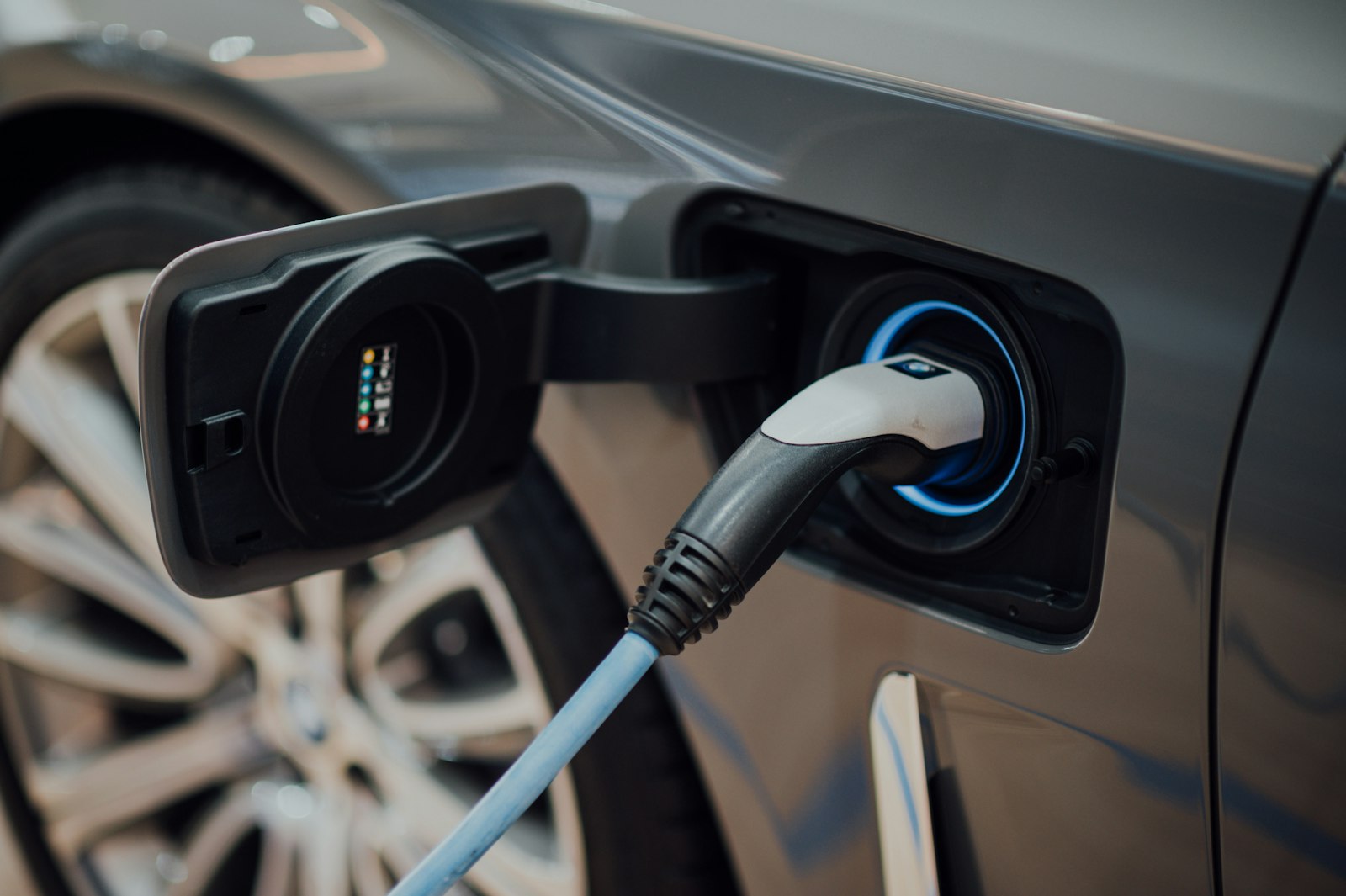
Yes, though much less. EVs still need tire rotations, brake checks, cabin filter changes, coolant service for the battery system, and wiper and light checks.
Is dealer servicing better than an independent shop?
Not necessarily. A trusted independent shop using the correct parts and fluids can maintain your car well. Keep records either way to protect your warranty.
What is the single most important habit?
Checking tire pressure monthly. It affects safety, fuel economy, and tire life, and it takes two minutes.
The Bottom Line
Cars rarely fail without warning. A monthly walk-around, oil and fluids on schedule, attention to tires, and a willingness to investigate new noises will keep your vehicle running longer and cost far less than the repairs these habits prevent.